
I had a client named Sarah call me last spring. She was excited. She had just signed up for her utility’s “100% renewable energy” plan. She told me she was now running her house on wind and solar. She felt great about it. Then she asked me why her electric bill hadn’t changed. She thought renewable energy was supposed to be cheaper. I had to break some bad news. The electrons flowing into her house were exactly the same as before. The utility was not running a separate wind line to her meter. The “100% renewable” plan was a marketing program. She was paying a small premium — about $0.005 per kWh — to buy renewable energy credits. Her actual electricity mix was still whatever the grid was delivering.
This is the dirty secret of green power plans. They don’t change the physical electricity you use. They change the accounting. You pay your utility extra money. The utility uses that money to buy renewable energy certificates, or RECs. Each REC represents one megawatt‑hour of renewable energy generated somewhere on the grid. By buying RECs, you claim that your electricity is renewable. But the grid itself doesn’t get cleaner unless enough people buy RECs to fund new renewable projects. And even then, it’s a slow process.
LED Savings
Estimate savings from switching to LED
All data stays in your browserSarah felt betrayed. She thought she was actually using solar power. She wasn’t. I explained that unless she had solar panels on her roof or a direct contract with a community solar garden, her electricity came from the grid. The grid was about 30% renewable in her state. The other 70% was natural gas, coal, and nuclear. The green power plan didn’t change that. It just shifted money.
So why do utilities offer these plans? Because customers want them. Surveys show that a majority of Americans are willing to pay a little extra for renewable energy. Utilities see a revenue opportunity. They charge you $5‑$10 extra per month. They use that money to buy RECs from wind farms or solar projects. Those RECs are often cheap — sometimes as low as $0.001 per kWh. The utility pockets the difference. It’s not a scam, exactly. But it’s not what most people imagine.
Let me give you a real example. Xcel Energy in Colorado offers a plan called “Windsource.” You pay an extra $0.012 per kWh to support wind energy. A typical home using 800 kWh per month pays an extra $9.60. Xcel uses that money to buy RECs from wind farms in the region. Does that add new wind turbines? Maybe. Xcel has a goal to reduce carbon emissions. The Windsource program helps fund that goal. But it’s not a direct connection.
I have another client named Tom who signed up for his utility’s green power plan. He paid an extra $15 per month for two years. Then he installed solar on his roof. He canceled the green plan. He told me he felt stupid for paying extra for something that didn’t change his actual electricity. I told him not to feel bad. He was trying to do the right thing. The utility’s marketing was just vague.
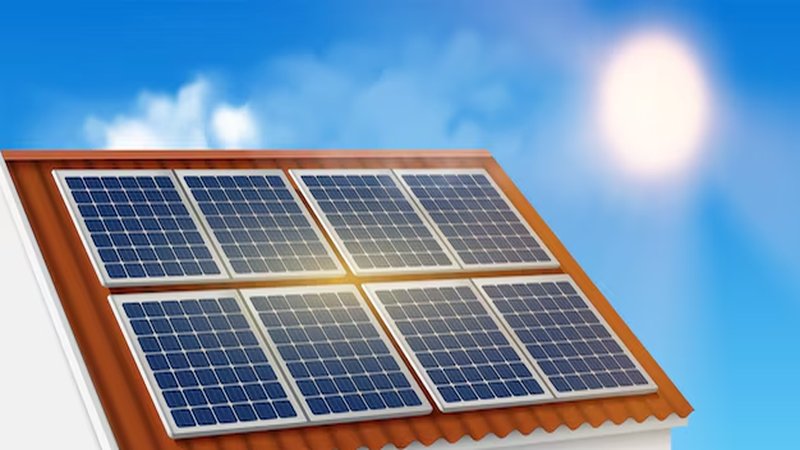
The better way to get renewable energy is to produce it yourself. Solar panels on your roof. Or subscribe to a community solar garden. In many states, you can buy a share of a local solar farm. The electricity from that farm is credited to your bill. That’s real. You are actually displacing grid electricity with solar. The same goes for wind. Some utilities offer a “green tariff” where you sign a contract to buy renewable energy directly from a specific project. That’s also real.
But the standard “100% renewable” plan is mostly a REC scheme. It’s not useless. It does increase demand for RECs, which can encourage more renewable development. But the impact is indirect and slow.
If you’re on such a plan, you should know what you’re buying. Ask your utility: What is the price per kWh? Is the REC retired on your behalf or resold? Some utilities resell the same REC multiple times, which is double‑counting. That’s a problem. Also ask if the RECs come from new projects or from existing ones. Buying RECs from an old wind farm doesn’t add new capacity. It just transfers money.
Sarah, after our conversation, canceled her green plan. She took the $10 per month she was saving and put it toward a home energy audit. She ended up adding insulation and sealing air leaks. That reduced her carbon footprint more than the RECs. She then installed solar panels two years later. Now she’s actually running her house on renewable energy. She feels good.
I’m not against green power plans. I just want people to understand them. If you have extra money and want to support renewable energy, go ahead. It’s better than doing nothing. But don’t confuse it with actually using renewable energy. The two are different.
The Federal Trade Commission has guidelines for green marketing claims. The term “100% renewable energy” can be used if the utility buys enough RECs to match your usage. That’s technically true. But it’s misleading. The Better Business Bureau has received complaints. Some states have banned the term “green power” without additional disclosure.
If you’re serious about reducing your carbon footprint, start with efficiency. Reduce your total usage. Then install solar if you can. Then consider a green plan for the remainder if you want. But know what you’re paying for.
I have a tool that helps you compare the cost of green plans vs. solar.