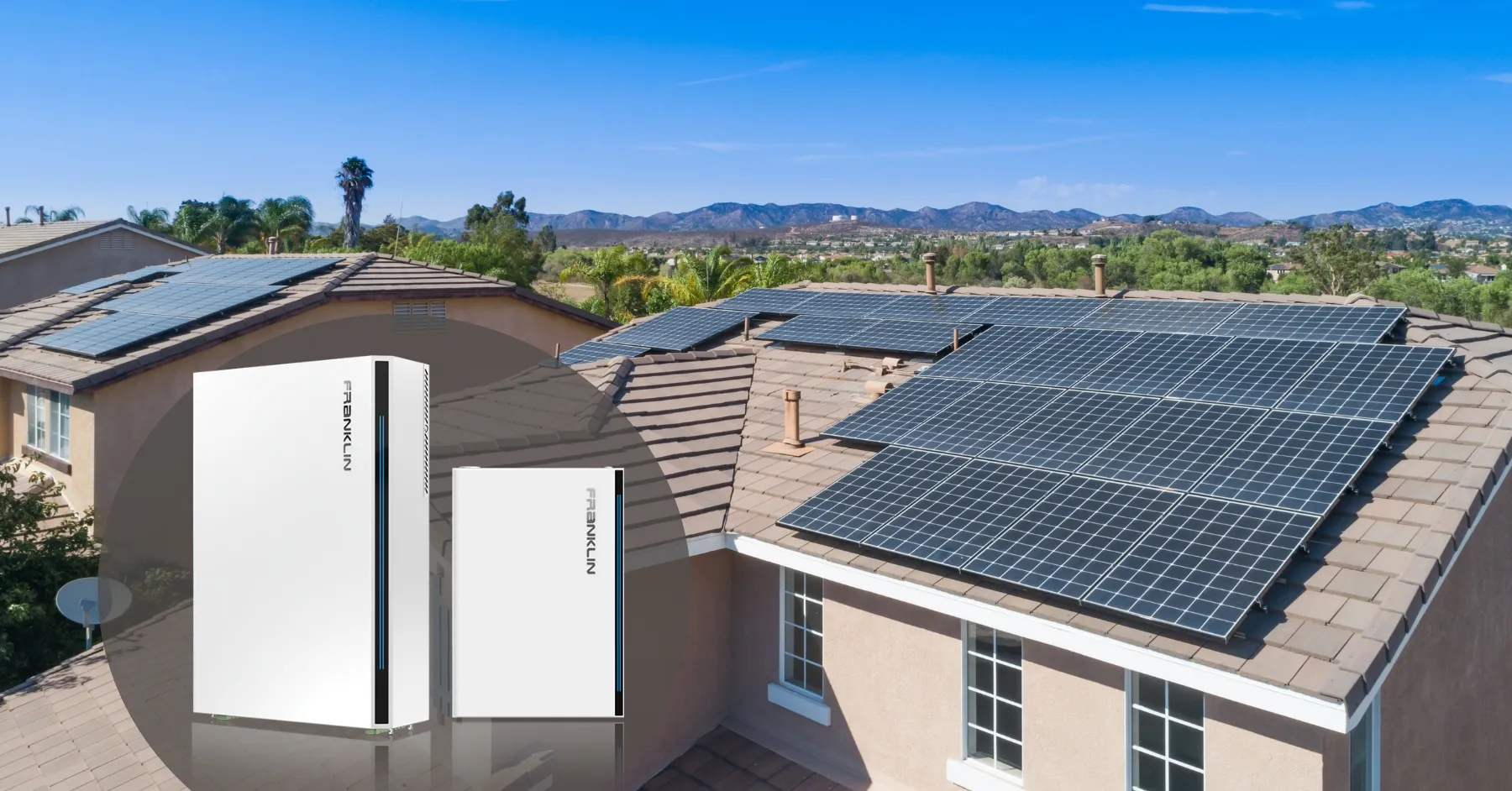
The Solar Panels I Installed and the Battery Backup I Wish I Had Bought First
I was standing in my driveway in Denver at 3:00 PM on a Tuesday in July, watching the solar panels on my roof generate 6.2 kilowatts of electricity, and I felt like a genius. The meter was spinning backward. The app on my phone showed a green line trending up. The sun was blazing. The panels were producing. And I was saving $180 a month on my electric bill.
I am an energy consultant. I have designed solar installations for commercial buildings. I have analyzed ROI projections. I have explained net metering, time-of-use rates, and renewable energy credits to more clients than I can count. And I had just installed a 7.2-kilowatt solar system on my own house without installing a battery backup. Because I thought I did not need one. Because I thought net metering was enough. Because I thought the grid would always be there.
I was wrong.
The storm hit on a Wednesday in August. Not a blizzard — Denver does not get blizzards in August. A thunderstorm. A bad one. Lightning struck a transformer three blocks away. The power went out. And my solar panels stopped working.
Here is the thing about grid-tied solar systems: when the grid goes down, they shut off. Automatically. Instantly. It is a safety feature. If the panels kept producing during an outage, they could backfeed electricity into the grid and electrocute utility workers trying to repair the lines. So the inverter disconnects. The panels go dark. And you are left with no power — even though you have 7.2 kilowatts of generating capacity sitting on your roof, doing nothing.
I sat in my dark house. The temperature was 94 degrees. The sun was shining. My panels were producing nothing. My phone was at 12%. My refrigerator was warming up. My food was spoiling. And I was staring at a $22,000 solar installation that had just become a very expensive roof decoration.
The outage lasted 14 hours. By hour six, I had moved my food to coolers with ice. By hour eight, I was sweating through my shirt. By hour ten, I was sleeping on the basement floor because it was 10 degrees cooler down there. By hour 14, the power came back. And I started researching battery backups.
I had known about battery backups. I had recommended them to clients. I had explained the Tesla Powerwall, the LG Chem RESU, the Enphase IQ Battery. I had talked about energy independence, resilience, and backup power. But I had not bought one for myself. Because the Powerwall cost $11,500. Because I thought net metering was enough. Because I thought power outages in Denver were rare. Because I was an energy consultant who did not follow his own advice.
I bought a battery backup. Not a Powerwall — I could not afford another $11,500 after spending $22,000 on panels. I bought a smaller system. A 10-kilowatt-hour battery with a hybrid inverter. It cost $6,800 installed. It was not enough to power my whole house. But it was enough for the essentials: refrigerator, lights, internet, and one air conditioning zone. It would give me 8 hours of backup power. Or 12 hours if I turned off the AC.
I installed it in October. The installer was a local company — not the national chain that did my panels. They knew the equipment. They knew the code. They knew how to integrate the battery with my existing system. It took two days. It cost $6,800. And it changed everything.
The next outage came in December. A snowstorm. Not a big one — 8 inches. But enough to take down a power line. The outage lasted 6 hours. The battery kicked in automatically. The refrigerator stayed cold. The lights stayed on. The internet stayed up. I worked from home. I made coffee. I watched TV. And when the power came back, the battery started recharging from the solar panels — which were producing even through the snow, because solar panels work in snow, they just produce less.
I sat in my warm house and I thought about the August outage. The 14 hours in the dark. The spoiled food. The sweat. The basement floor. The $22,000 roof decoration. And I thought about the $6,800 battery that had just made all of that disappear. The battery that had turned my solar system from a grid-dependent investment into an independent power source. The battery that had given me peace of mind. The battery that I should have bought first.
I changed how I consult. I no longer present solar and battery as separate decisions. I present them as a package. Solar without battery is incomplete. Solar with battery is resilience. I explain the cost. I explain the ROI. I explain that the battery does not pay for itself as quickly as the panels — the payback is 12 years instead of 7. But I also explain that the battery is not an investment. It is insurance. And insurance does not need to pay for itself. It needs to work when you need it.
I still love my solar panels. They produce 9,800 kilowatt-hours per year. They save me $2,160 annually. They reduced my carbon footprint by 6.2 tons of CO2 per year. They increased my home value by $18,000. They are one of the best investments I have ever made.
But the battery is what makes the system complete. The battery is what makes me energy-independent. The battery is what keeps my lights on when the grid fails. The battery is what I wish I had bought first — not because the panels were a mistake, but because the panels without the battery were only half the solution.
— James, from Denver, where the sun is shining, the battery is charged, and the grid is finally optional.
