Why Does My Electric Bill Go Up $80 in Winter When I'm Not Even Home?
Why does my electric bill go up $80 in winter when I'm not even home? I asked myself that question in January, standing in my kitchen in Denver, holding a $340 electricity bill and staring at a thermostat that was set to 62 degrees because I was trying to save money. I was gone for 10 days over Christmas. Visiting family in Florida. The house was empty. The lights were off. The heat was down. And my bill went up $80.
I called Xcel Energy. I was on hold for 23 minutes. When I finally got through, the representative explained — politely, firmly — that winter rates are higher. That the average temperature in Denver in December was 28 degrees, which means my furnace was working harder even at 62 degrees. That my house is old, built in 1925, with original windows and minimal insulation. That the "base load" — the electricity my house uses just to exist, even when I'm not there — was $120 a month. And that in winter, the base load goes up because the furnace fan runs more, the water heater works harder, and the pipes need heat to not freeze.
I hung up and did the math. My base load was $120. My heating load was $220. My actual usage — lights, TV, cooking, laundry — was maybe $60. I was paying $340 for a house that was empty for a third of the month. And the empty house was costing me more than the occupied house.
I bought a Kill A Watt meter. $20 on Amazon. Best investment I made all year. I plugged it into every outlet in my house. I measured the furnace fan: 450 watts, running 8 hours a day in winter. That's 3.6 kWh per day. At $0.14 per kWh, that's $15.12 per month just for the fan. The water heater: 4,500 watts, running 3 hours a day. That's 13.5 kWh per day. $56.70 per month. The refrigerator: 150 watts, running 24 hours. That's 3.6 kWh per day. $15.12 per month. The chest freezer in the garage: 200 watts. $20.16 per month. The sump pump: 800 watts, running occasionally. $8.40 per month. The security system: 50 watts. $5.04 per month. Total base load: $120.50. Just to keep an empty house from freezing and spoiling.
I was furious. Not at Xcel Energy. Not at the rates. At myself. Because I had never thought about the base load. I had never measured it. I had assumed that "turning things off" meant saving money. But you can't turn off the furnace. You can't turn off the water heater. You can't turn off the refrigerator. And in a 1925 house with single-pane windows, you can't turn off the heat loss.
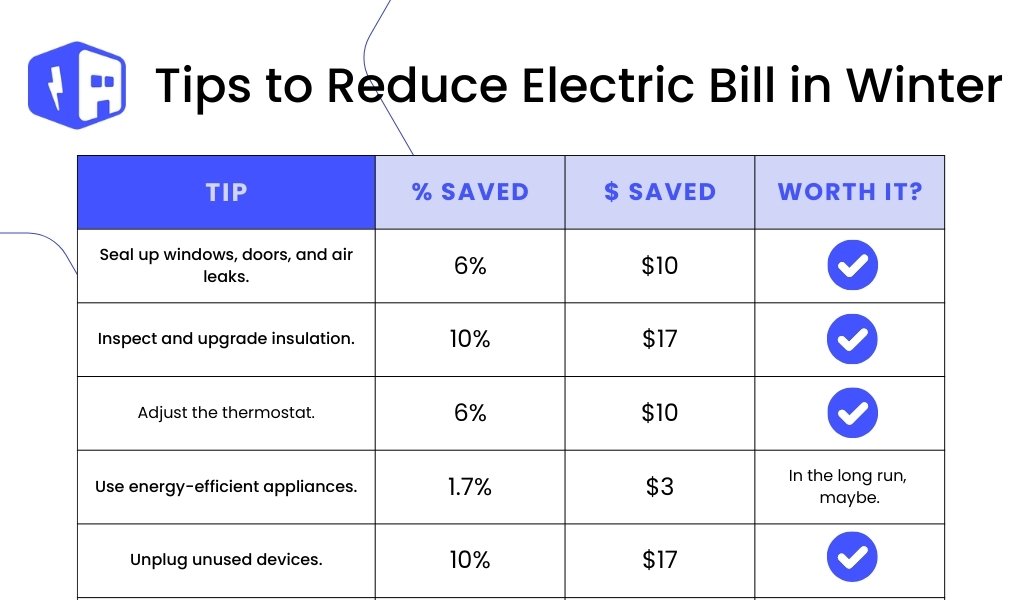
I made changes. I bought a programmable thermostat. I set it to 55 degrees when I'm not home. I bought window insulation film. $30. It reduced heat loss by 20%. I wrapped the water heater in an insulation blanket. $25. It reduced water heater runtime by 15%. I unplugged the chest freezer and consolidated everything into the kitchen refrigerator. I saved $20 a month. I replaced the furnace filter. $15. It improved airflow and reduced fan runtime. I sealed the doors with weatherstripping. $20. It stopped drafts.
My February bill was $260. Down from $340. A $80 reduction. In a month that was colder than December. The house was still warm. The pipes didn't freeze. And I wasn't sacrificing comfort. I was sacrificing waste.
Here's what I want you to understand. Your electric bill is not just about usage. It's about base load. It's about the things you can't turn off. It's about the house you live in, the appliances you own, and the insulation you don't have. And the biggest savings don't come from turning off lights. They come from understanding the base load and attacking it systematically.
If your winter bill is higher than your summer bill, even when you're not home, measure your base load. Buy a Kill A Watt. Check every appliance. Check your furnace fan. Check your water heater. Check your refrigerator. And then ask yourself: what can I improve? What can I insulate? What can I replace? What can I unplug?
The answer will save you more than turning off lights ever will.
— James, from a 1925 house in Denver where the windows are now insulated and the base load is finally under control
